Will Young – Pop Superstar Makes A Difference For Thousands Of Dogs
“The community level is the way to do it. Identify one problem, concentrate on that,

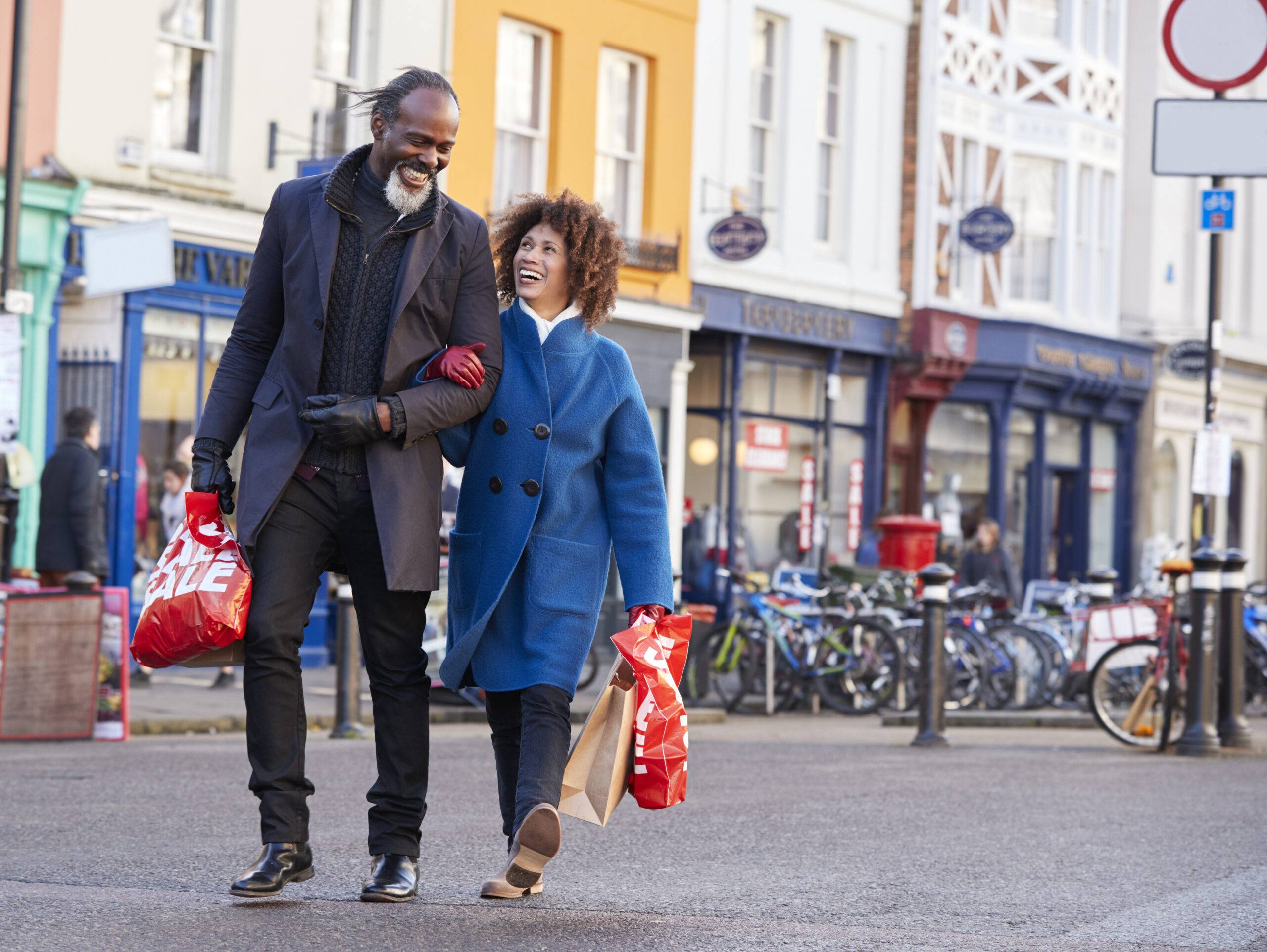
I’ve walked past at least ten newly-empty shops this week.
Not boarded up. Not “closing down sale” signs. Just empty. Windows gathering dust. For lease signs fading in the sun. The kind of emptiness that makes you forget what was there before.
This isn’t nostalgia talking. The numbers tell a story that’s impossible to ignore.
Twelve stores close their doors permanently across Great Britain every single day. That’s 6,945 outlets gone in the first six months of 2024 alone. After 13,000 closures last year, we’re watching an acceleration, not a slowdown.
But here’s what troubles me most about this crisis.
We keep treating it like it’s inevitable. Like online shopping arrived and high streets were always going to fade. Like this is just progress doing what progress does.
That’s rubbish.
If high streets were dying naturally, they’d all be dying at the same rate.
They’re not.
In Newport and Bradford, one in five shops sits empty. Meanwhile, in Cambridge and central London, it’s one in twelve. Oxford manages a 9% vacancy rate. Blackpool suffers at 17.6%.
The same country. The same online shopping habits. The same Amazon Prime memberships.
Completely different outcomes.
This tells me something crucial: the problem isn’t purely technological. It’s structural. It’s about policy decisions, local economics, and a tax system that actively punishes physical retail whilst rewarding online giants.
Walk through Cambridge on a Saturday, and you’ll see what a functioning high street looks like. Coffee shops are buzzing. Independent bookshops welcome crowds of browsing customers. People stop to chat outside the greengrocer.
Drive forty minutes to a struggling town, and you’ll see the opposite. Empty units. Charity shops. Betting shops. The occasional Greggs is holding on.
The difference isn’t the internet. It’s investment, infrastructure, and economic vitality.
Here’s a fact that should make you angry.
The retail industry accounts for 5% of gross value added in the UK economy. Yet it pays 25% of all business rates – roughly £8.5 billion.
Physical stores pay the equivalent of 2.3% of their sales in business rates. Online retailers pay 0.6%.
Read that again.
We’ve built a tax system that charges you nearly four times more for having a physical presence in a community than for operating from a warehouse in the middle of nowhere.
The recent budget made this worse. The business rates discount dropped from 75% to 40% in April. The average shop’s rates bill will spiral from £3,589 to £8,613 for 2025/26.
You can’t compete with Amazon when the government makes you pay four times the tax rate for the privilege of employing local people and serving your community face-to-face.
This isn’t market forces. This is a policy failure.
Yes, shopping habits have changed.
The Office for National Statistics shows online sales now represent 25-26% of total retail, up from 19% before COVID. That’s significant. But it’s not the whole story.
What concerns me more is this: 17.2 million British consumers plan to make permanent changes to how they shop. Not temporary adjustments. Permanent shifts away from physical stores.
89% of UK residents have shopped online in the last year.
But here’s what I’ve noticed walking through those thriving high streets in Cambridge and Oxford.
People still want to shop in person. They want to browse. Touch fabrics. Try on shoes. Ask questions. Have conversations. Experience the serendipity of discovering something they weren’t looking for.
The shift to online isn’t purely about preference. It’s about convenience, price, and availability. When your local high street offers three charity shops, a Poundland, and a vape shop, you’re not choosing online shopping. You’re being pushed there.
Banks were the anchor.
You’d go to deposit a cheque, withdraw cash, sort out a mortgage issue. Whilst you were there, you’d pop into the butcher. Grab a coffee. Browse the bookshop. Pick up a birthday card.
The bank visit created the trip. Everything else happened around it.
Since 2010, bank branches have declined by over 60%. Lloyds Group is shutting another 136 locations by March 2026.
Online banking makes sense for most transactions. I use it constantly. But the removal of bank branches removed the reason for the trip.
No trip means no footfall. No footfall means no sales for surrounding businesses. No sales means closures. Closures mean more empty units. More empty units mean fewer reasons to visit.
The spiral feeds itself.
The Generational Divide in Perception
Here’s something that surprised me in the data.
Just over half of people (51%) believe their local high street is declining. Only 13% think it’s improving.
But the generational split reveals something deeper.
66% of people aged 55-64 and 62% of those over 65 think their high street is in decline. Only 29% of under-25s feel the same way.
Younger people don’t mourn the high street because they never knew it at its peak.
They grew up with online shopping, delivery apps, and Amazon lockers. The high street was already struggling by the time they had pocket money to spend.
Older Britons remember Saturday shopping trips. Proper department stores. Butchers who knew your family. Greengrocers who’d save the best tomatoes for regular customers. Bank managers who recognised you by name.
That world is gone. And with it, something intangible but valuable.
High streets aren’t staying empty. They’re transforming.
Hairdressers and beauty salons have more than doubled since 2010. Unlicensed restaurants and cafés have also more than doubled, reflecting Britain’s coffee and foodie culture.
Charity shops proliferate because they benefit from substantial business rates relief and lower staff costs.
The high street is evolving from a retail destination into a social and leisure space.
That’s not necessarily bad. But it’s happening unevenly, slowly, and without strategic planning.
The thriving high streets I’ve visited have embraced this shift deliberately. They’ve created spaces for independent cafés, craft breweries, yoga studios, and community venues. They’ve recognised that people will travel for experience, not just products.
The struggling high streets are stuck in limbo. Too many empty retail units. Not enough vision for what comes next. Property owners holding out for retail rents that will never return.
The economic argument for high streets is clear. Local jobs. Business rates (however unfair). Economic activity.
But I’m more interested in what we lose that doesn’t show up in GDP figures.
Community connection. The random conversations with neighbours. The shopkeeper who asks about your mother’s health. The teenager getting their first Saturday job. The elderly person for whom the trip to the post office is the only social interaction all week.
Serendipity. You can’t browse Amazon the way you browse a bookshop. You can’t discover a new artist by scrolling through an algorithm the way you discover them by wandering into a gallery.
Civic pride. A thriving high street signals that a town matters. That it’s cared for. That it has a future. Empty shops signal the opposite.
Social infrastructure. High streets are where we learn to navigate public space, interact with strangers, and participate in civic life. Especially for young people.
You can’t quantify these things easily. But their absence creates a void.
I’m not interested in nostalgia or unrealistic solutions.
High streets won’t return to 1985. Online shopping isn’t going away. We need to work with reality.
Tax reform is essential. The current business rates system is indefensible. If we want physical retail to survive, we need to stop punishing it for existing.
Diverse use matters. The successful high streets mix retail with hospitality, services, housing, and community spaces. Single-use retail districts are finished.
Local investment works. Towns that invest in public spaces, markets, events, and infrastructure see better outcomes. This requires funding and political will.
Property owner accountability is overdue. Empty units held speculatively whilst waiting for rents that will never return hurt everyone. We need broad policies that encourage use over speculation.
Community action helps. Local groups running markets, organising events, supporting independent businesses, and creating reasons to visit all make a difference.
Individual action won’t solve structural problems.
But it’s not meaningless either.
Shop locally when you can. Not for everything. Not at any cost. But when the price is comparable and the convenience acceptable, choose the local option.
Use local services. Get your hair cut locally. Use the local café for meetings. Buy birthday cards from the independent shop, not Amazon.
Spend time there. High streets need footfall. Meet friends there. Take a walk. Browse without buying. Your presence matters.
Support local initiatives. Markets, festivals, community events. They all help create reasons to visit.
Pressure your council. Ask what they’re doing about business rates, empty units, and high street strategy. Local government has more power here than many realise.
Talk about it. The more we treat high street decline as inevitable, the more inevitable it becomes.
Here’s what I keep coming back to.
The decline of British high streets isn’t happening to us. It’s a choice we’re making through policy, spending habits, and priorities.
We’ve chosen a tax system that favours online giants over local businesses. We’ve chosen convenience over community. We’ve chosen to let property speculation trump community need.
These are choices. Which means we can make different ones.
The high streets that are thriving prove it’s possible. Cambridge, Oxford, and central London show that physical retail and vibrant community spaces can coexist with online shopping.
But it requires deliberate action. Investment. Policy reform. Community engagement. A recognition that high streets provide value beyond quarterly retail figures.
The question isn’t whether high streets can survive.
It’s whether we want them to.
And if we do, what we’re willing to do about it.
Because right now, twelve more shops will close today. And tomorrow. And the day after that.
Unless we decide differently.
“The community level is the way to do it. Identify one problem, concentrate on that,
If you’ve felt dragged down by the long winter months, it might be time to
Destination to lift the soul Nestled in the finest landscape Britain can provide, the country