
Beating The Winter Blues
A simple guide to embracing the darker days As the daylight hours diminish and temperatures

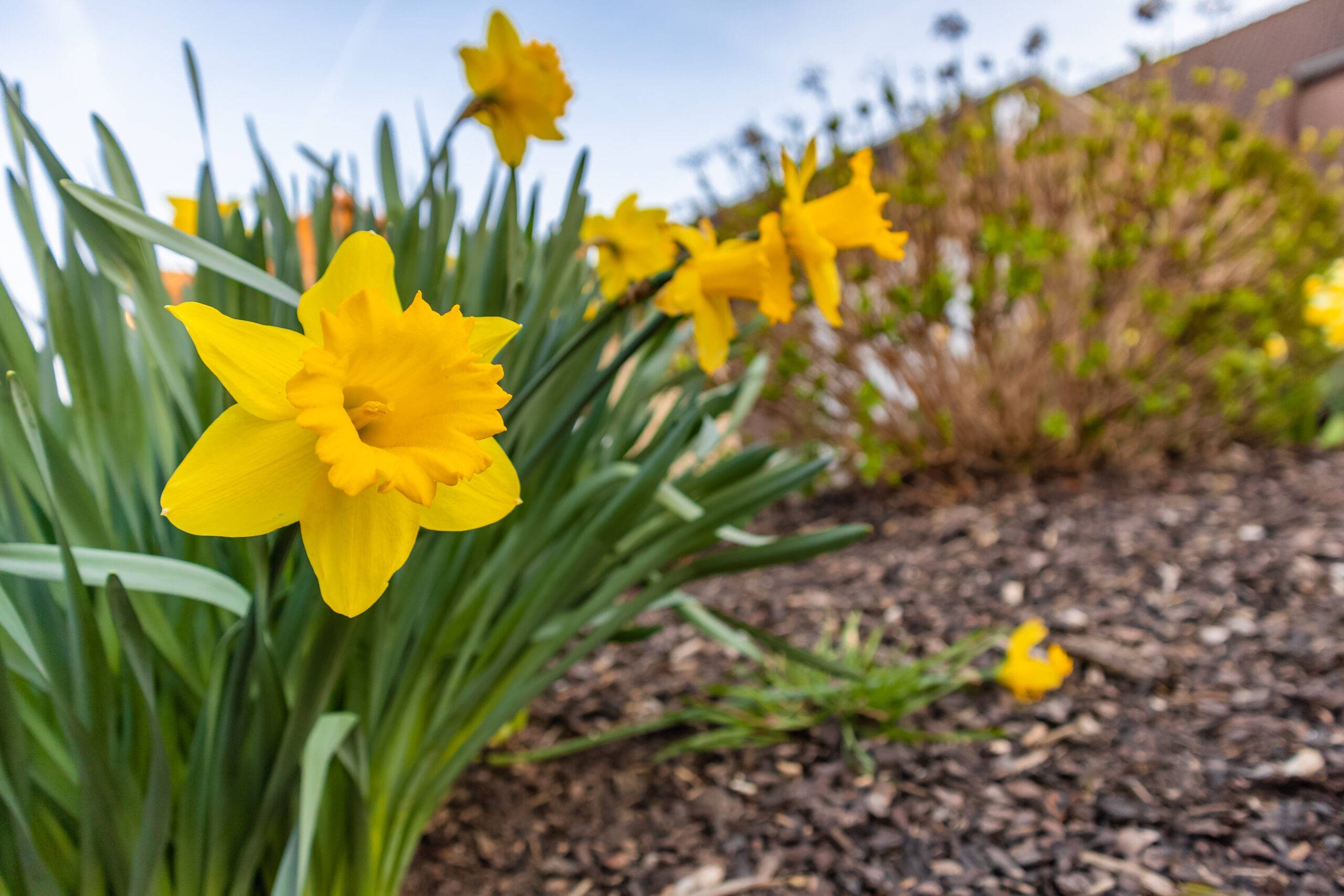
Every British gardener knows that peculiar thrill that comes in late February or early March. Or is it more a sense of gentle anxiety at the task ahead? You notice the first gentle afternoon, a glimmer of sunlight upon damp soil, or the faint perfume of thawing earth. It’s the moment when we realise our gardens, after lying dormant during the darkest months, are starting to stir.
This is the time to get out there and get ahead of things. Spring and the warmer months don’t suddenly have an instant impact on your garden. The results are coaxed and gently nudged into being. Preparing everything now (or at least having a list of what you should be doing) is the best way to ensure your garden’s slow awakening erupts into a full symphony of colour. And hopefully it’ll save you a load of hassle in the long run.
Whether you have a country estate, a city-centre courtyard, or a balcony with a few faithful pots bringing a riot of colour, the principles are pretty much the same. The winners in Spring are those who plan ahead – the ones quietly sharpening their tools and eager to get those hands dirty.
So, get some old trousers on, grab a trowel and let’s get that garden back to life…
Sounds pretty simple, but it’s something many overlook. Before anything new can flourish, the remnants of winter must go. Walk through your garden with a critical eye. Dead leaves, collapsed stems, and last year’s annuals… All of that needs to go. You’ll need a pair of sharp secateurs. Cut back perennials that have turned to mush and tidy ornamental grasses by shearing them close to the ground. But don’t be too fastidious in your tidying. A few piles of leaves or hollow stems left out of sight in a corner can provide an invaluable resource for wildlife.
Once you’ve cleared the beds, fork through the soil lightly to aerate it. Winter rains compact the ground, depriving roots of oxygen. So, a gentle turning of the surface will wake the soil without disturbing its structure.
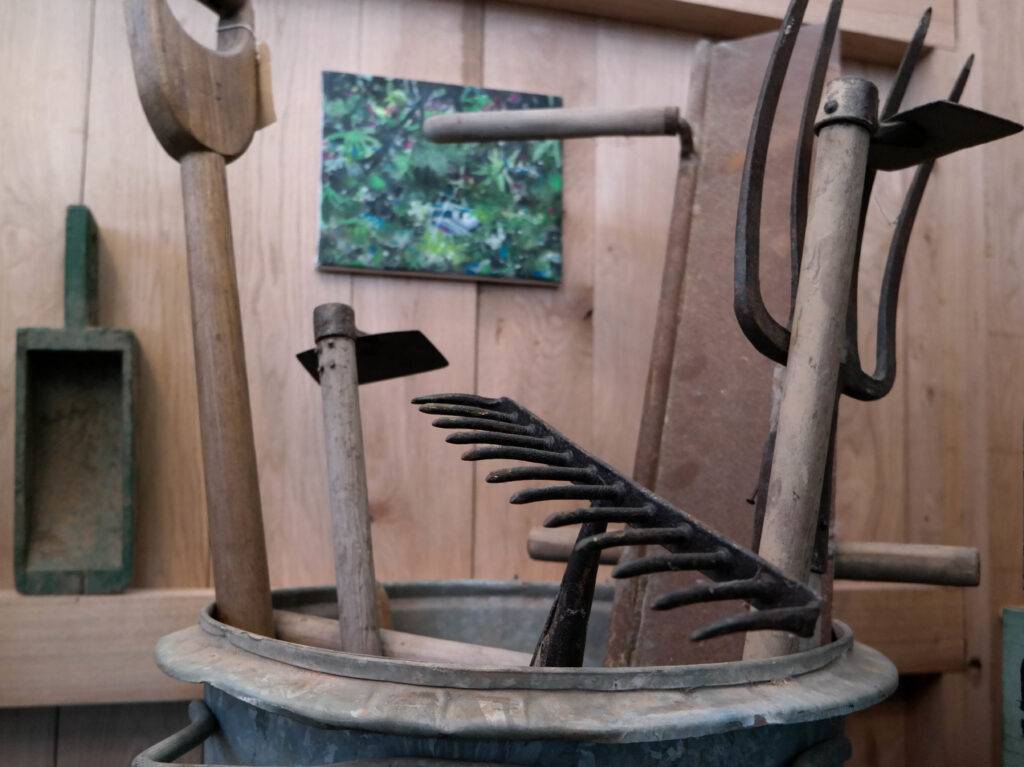
A gardener’s tools can greatly suffer in the winter months. Handles loosen, and blades rust. Before it all gets busy out there, spend an afternoon sharpening and oiling everything. A few drops of light oil on metal parts and a rub of linseed on wooden handles will make everything last a lot longer.
If you have terracotta pots, check for cracks and chips. The freeze-thaw cycle can wreak havoc on them. Don’t throw away the casualties, broken ones can be broken up to serve as drainage crocks at the bottom of shiny new pots.
And don’t neglect your greenhouse, shed, or cold frame. Sweep, disinfect, and wash the glass. Algae and grime obscure the sun when seedlings need it most. Replace any cracked panes, clear gutters, and check ventilation latches. You’ll thank yourself in April when your seedlings are thriving in that extra sunshine.
Healthy soil is the difference between a flourishing garden and a patch of mediocre disappointment. If you can, Spring is the time to add some vital nourishment.
Spread roughly 5cm of organic matter over your beds and borders. This can be well-rotted manure, garden compost, leaf mould, or even your special mix of these. All the new goodness will filter down into the soil, improving texture, fertility, and drainage. Chalky soil will need a lot more, as matter tends to decompose faster and nutrients wash away. Bad news if you live near that downland.
If your garden has clay-based soil, then resist the temptation to dig when it’s still wet – you’ll only compact it further. Wait until it’s crumbly enough that it no longer sticks to your boots. Sandy soils, by contrast, can benefit from extra organic matter to help retain moisture through the dry spells that (occasionally) visit our British summers.
For vegetable patches, a soil test might be worth a few quid. It’ll reveal whether your plot leans towards acidic or alkaline, and which nutrients it is crying out for. Now you can tailor your feeding. Add lime to sweeten sour soil, fish blood and bone to give it a boost, or potash for fruiting plants.
Blending science and sculpture, pruning is art form, but one which can be mastered with ease. The goal is not to hack, but to shape. With a few clever snips, you can encourage strong new growth and more flowers.
Start with shrubs that flower on new wood, such as buddleia, fuchsia, and lavatera. Cut them back hard to just above a pair of healthy buds. Summer-flowering clematis should also be reduced to about 30cm above ground level.
For roses, obviously remove any dead or crossing stems, and cut remaining canes to outward-facing buds. Hybrid teas or floribundas prefer a strong prune; climbers can be gently tidied, tying new shoots horizontally to encourage more blooms.
Fruit trees need careful attention. Apples and pears benefit from a light winter pruning to maintain an open shape, but stone fruits, like cherries, plums, and apricots, should wait until late spring to avoid silver leaf disease.
Remember – clean cuts heal faster. Always use sharp blades and cut at a slight angle so water runs off the wound. Don’t twist or saw with that blade.
Few things feel more optimistic than a tray of freshly sown seeds under glass. Late winter into early spring is prime time for starting annuals, herbs, and early vegetables indoors.
Use a good seed compost. It needs to be fine, free-draining, and low in nutrients. Young seedlings don’t need rich soil at this point. Moisten it lightly before sowing, and cover the seeds only as deeply as their size suggests.
Oh, and if you have more than one type of seed going in, label everything. You’ll thank me later, every tray of little shoots looks the same after three weeks.
Ideal early starters include tomatoes, peppers, aubergines, leeks, onions, sweet peas, and cosmos. If you lack a greenhouse, a bright windowsill or a small propagator will do nicely.
When seedlings develop their first proper leaves, prick them out gently into individual pots to give them room to grow. Harden them up gradually before planting outdoors. If you’re particularly invested, a week’s worth of daytime outings and coming in at night will work wonders.
Come March or April, the lawn starts to recover from the winter’s inactivity. Temperatures are up and it’s good to grow, so this is time for a bit of care and attention.
Starting by raking your lawn vigorously, removing moss and dead thatch. Aerate compacted patches by pushing a garden fork into the ground every few inches and rocking it slightly. Top-dress (adding a thin layer of compost and sand to the surface to encourage fresh growth) with a sandy loam mix, then overseed your bald bits.
If moss has taken over, a spring moss killer followed by lightly scratching the surface can restore order. Avoid feeding until growth is steady. Adding a lot of nutrients early can encourage a growth spurt that your grass roots are too feeble to support.
When you finally take the mower for its first promenade of the year, set the blades high for that first cut. In spring you should only be trimming the grass gently. Gradually lower the setting as the season progresses and we edge closer to actually using the lawn.
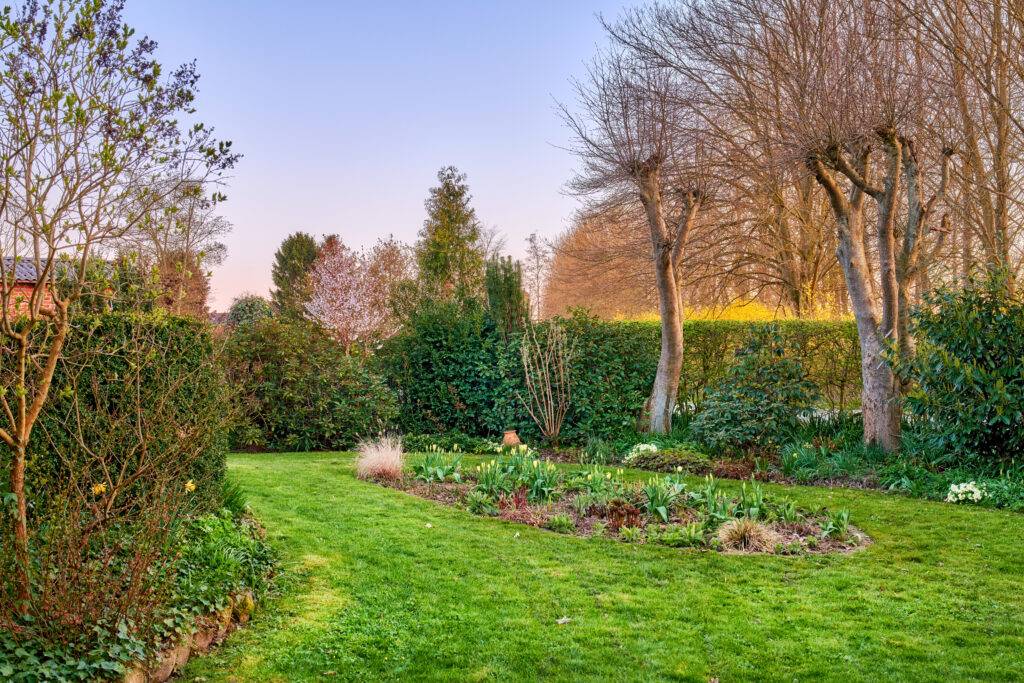
Although seasons seem to be more unpredictable these days, by now, snowdrops and crocuses may already be peeking through. Then, Daffodils will soon follow, heralding the proper start of Spring. To make the most of this early display, clear away debris hiding them and stake up taller stems which might be prone to flopping.
As the soil warms, you can plant new bulbs like lilies, alliums, and gladioli for a spot of summer colour. If you forgot to plant tulips last autumn, it’s not too late. Crack on, because they’ll forgive a late start in early spring.
Check your borders for gaps and think about succession planting. Hardy perennials such as delphiniums, lupins, and echinacea can be divided and replanted now, giving you stronger clumps and more even displays later.
If you’re craving instant gratification, add a few pots of primroses, violas, or hellebores. They’ll bridge gaps between winter and the riot of May.
A truly great garden works alongside nature. It should attract bees, butterflies, songbirds, frogs, and all the quiet workers of the ecosystem. Preparing for spring might be about tidying up your yard, but it’s also about welcoming back the wildlife.
Clean and refill bird feeders. You can go the extra mile by scrubbing them with mild disinfectant to prevent disease. Put up new nesting boxes now, long before the breeding season begins.
If you’ve been tempted by the “No Mow May” movement, mark out a patch of lawn to leave uncut. Even a small area of wildflowers can support vital pollinators. Want to take it even further? Learn how to use a scythe. Not only will it turn your grass areas into the ultimate habitat, but you’ll be perfectly equipped for a peasants’ revolt.
Ponds should be cleared of excess leaves. Don’t be tempted to drain and clean them yet, in case you disturb hibernating frogs or newts. Top up with rainwater rather than tap water. It’s softer and better balanced.
Finally, resist the urge to wage chemical war on slugs and aphids. Instead, encourage natural predators like ladybirds, hedgehogs, and birds. They’ll do a far better job and will be better for the garden. Find out about companion planting as well. For example, Marigolds near tomatoes can deter pests naturally.
Now is also the time to think creatively. What worked last year, and what didn’t? Were there bare corners, overcrowded borders, or an absence of scent on summer evenings?
Sketch out your beds, noting where the sun falls and where shade lingers. Reassess your colour schemes. Don’t be afraid to break things up. A border dominated by pinks might sing even more with a jolt of blue or white.
Consider structure as well as flowers. Every garden benefits from a central theme. This can be shrubs, ornamental grasses, or clipped evergreens that carry interest through the year. Paths and seating areas may need refreshing. You’d be surprised at how much of an impact repainting a fence can have.
If you’re keen on sustainability, think about replacing thirsty lawns with groundcovers or gravel gardens, choosing native plants adapted to your local soil. A rainwater butt, compost bin, or even a miniature wildlife pond can make your garden both greener and more resilient.
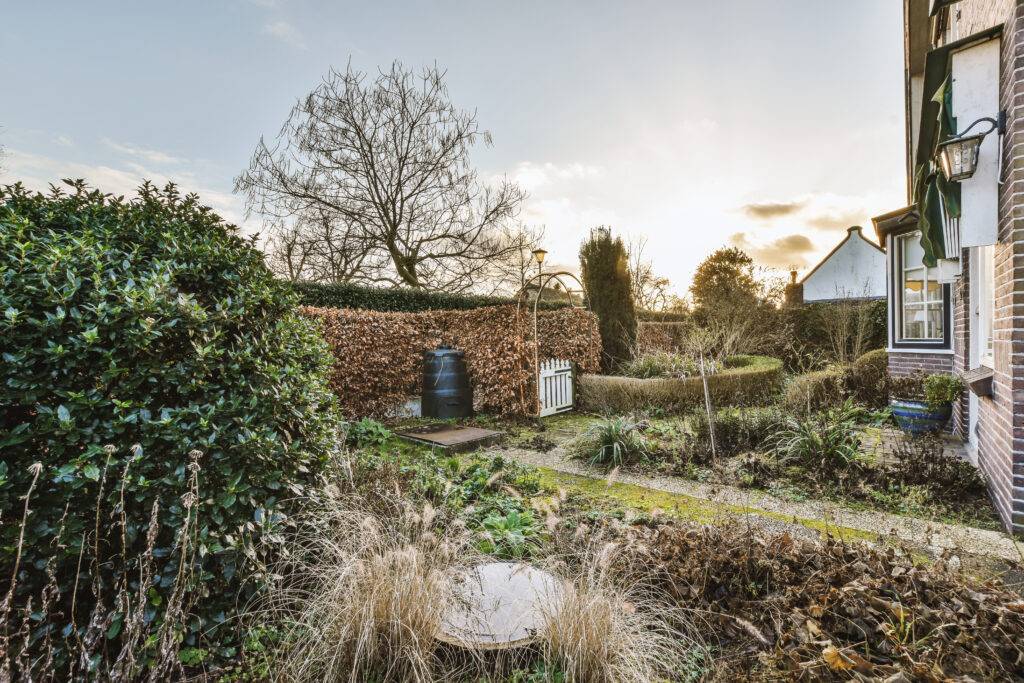
Spring weather in Britain can be unpredictable. One minute you have glorious sunshine, the next torrential rain, followed by frost or gales. So, get into the habit of watching forecasts and thinking about the impact on your garden. That way, you’ll know when tender shoots might need protecting.
Start feeding perennials and shrubs with a slow-release fertiliser as soon as any new growth shows. Roses adore a specialised feed. Plants in containers always flourish with a top-up of fresh compost and a dose of liquid seaweed every couple of weeks.
Mulching can be a secret weapon, especially if you have aggressive drainage in your soil. A good layer around plants locks in moisture. It also discourages weeds and keeps roots cool in the summer months. On top of that, it gives your beds a more finished appearance.
When weeds do begin to appear, tackle them early and often. A quick hoeing on a dry day keeps them in check with minimal effort.
Bear in mind that gardening is as much about looking and understanding what is happening as it is about getting your hands dirty. Take the time to monitor how your garden responds to certain things. Which corners stay soggy, which plants wake earliest, which birds visit first? The more you learn, the better your garden rewards you.
A vegetable plot is the most hopeful corner of any garden in spring, but it is also the most rewarding. Now is the moment to prepare it for a year of abundance.
Clear weeds, add plenty of compost, then rake the soil until it’s fine. Early sowings can include hardy crops like carrots, parsnips, spinach, and broad beans. Peas, lettuce, and radishes follow soon after.
Consider using cloches or fleece to warm the soil a week or two before sowing, especially if your garden is exposed. It makes a surprising difference.
Potatoes can be chitted indoors on a windowsill (removing most of the eyes from seed potatoes and letting them sprout in a cool and light place). Leave eyes up, until they sprout sturdy shoots. They should be ready for planting be ready for planting outside by mid-April.
Herbs need a lot of early attention. Divide overgrown clumps of chives or mint, and sow basil, coriander, or parsley indoors for transplanting later.
If space is tight, containers, window boxes, and vertical planters can yield brilliant harvests. A tomato plant by the back door or a trough of salad leaves can turn even the smallest space into an edible paradise.
There’s a great deal of satisfaction to spring for any gardener. After all, you’re playing a small part in nature’s big renewal. Each task, from scrubbing pots to sowing seeds, is accompanied by the quiet promise of something good to come. Spring preparation is not just about inflicting order and boosting productivity; it’s about rekindling a relationship witrh your outside space. After the dark and damp ordeal of winter, we’re invited back out side to nurture and think about the future.
Spring is your garden’s new year. It can bring a fresh start wrapped in birdsong and the scent of damp earth. However modest your plot, it offers the same magic: transformation. The true secret of spring gardening is that it’s less about coaxing plants to grow, and more about remembering that *we* are part of the garden too – restless, hopeful, and waiting for the warmer days.
A simple guide to embracing the darker days As the daylight hours diminish and temperatures

As a theatre-maker, the intelligence, humor, and irreverence in Leigh Douglas’s work has earned her

“The community level is the way to do it. Identify one problem, concentrate on that,