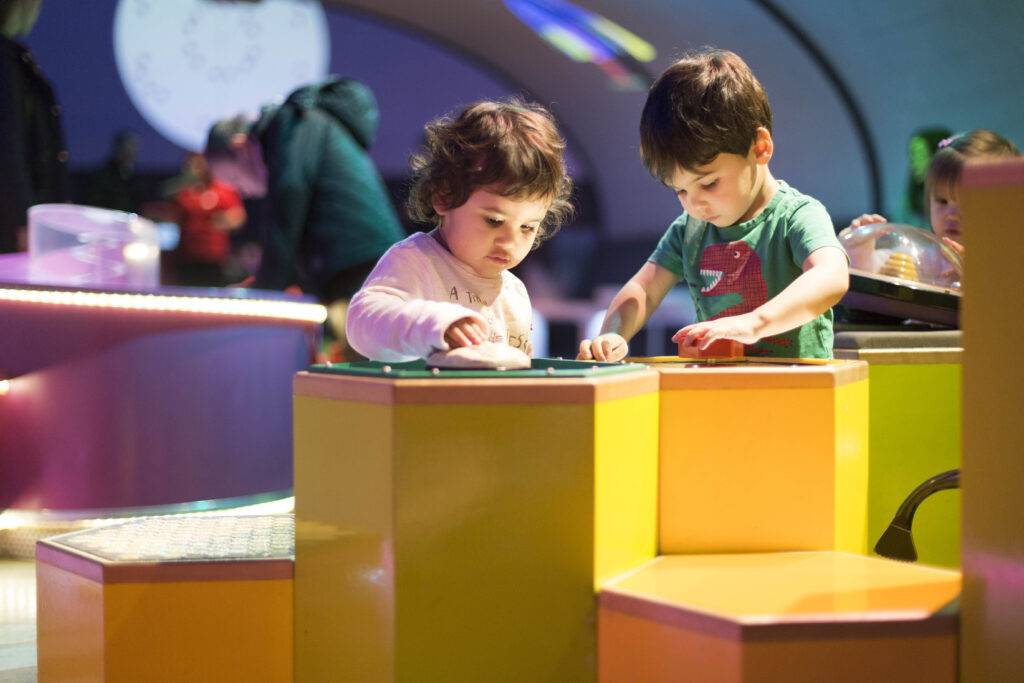
Ten Museums Perfect For Half-Term Adventures
Half-term is looming. We need plans that work. London and the South East hold 170+


Are you ready for Valentine’s Day? No judgment if you don’t celebrate it, but for those that do, displays of undying love are becoming increasingly expensive and (at times) esoteric.
Briton’s are not just buying more chocolates and flowers. We’re spending £1.5 billion annually on a holiday that once involved sending insult cards and dead birds to potential suitors.
The transformation tells us something about modern Britain. About how we love, how we spend, and how romance has been turned into a huge industry.
Before we examine the present, we need to understand where it all started.
Victorian Londoners didn’t mess about with Valentine’s Day. They created cards featuring stuffed canaries, lace doilies, and pressed flowers. Some designs were several centimetres deep with elaborate hand-painted illustrations.
But here’s what most people don’t know: not all Victorian valentines were sweet and tender..
“Vinegar Valentines” allowed people to send insult cards with unflattering caricatures and cheeky poems. You could call out someone for drunken behaviour, being miserly, or simply being unpleasant.
London stationer Jonathan King ran a studio on Essex Road in Islington, producing over 1,700 unique designs. Where creativity was remarkable, the passive aggression was even more so.
The real game-changer came in 1840 with the introduction of the Penny Post. Suddenly, anonymous love notes became affordable for ordinary people. The number of Valentine’s cards sent doubled by the late 1840s and doubled again by the 1860s.
By 2025, approximately 145 million cards are sold on Valentine’s Day in the UK. That makes it the second most popular holiday for card-sending after Christmas.
Britain’s Valentine’s traditions vary wildly by region. I found stories that sound like folklore but are documented local customs.
In Norfolk, residents celebrate the legend of Jack Valentine, a mysterious figure who left gifts on porches for all residents on the night of 14 February. This anonymous nocturnal benefactor created a regional variation that persists in local folklore.
In Sussex, Valentine’s Day is known as “the day of bird weddings.” This stems from Geoffrey Chaucer’s assertion that birds choose their mates on 14 February.
Victorian superstition took this further. If an unmarried girl saw a robin, she would marry a sailor. A sparrow meant a peasant husband. A goldfinch symbolised a wealthy spouse.
Women would wake before sunrise and stand by windows, waiting to glimpse their marital fate. The anxiety must have been unbearable.
Wales maintains perhaps the most enduring tradition: intricately carved wooden love spoons dating back to the 17th century. Men would painstakingly carve spoons embedded with symbols, the most popular featuring heart-shaped locks and keys.
If affections weren’t mutual, the spoon was returned. Awkward.
If accepted, the sweetheart wore it around their neck for days as a public declaration. This tradition honours St Dwynwen, Wales’s patron saint of lovers.
Now we get to the numbers. They’re staggering.
Britons are predicted to spend £1.5 billion on Valentine’s Day in 2025. The average person spends £52, but that figure masks significant variations.
Generation Z splashes out £70, significantly above the national average. Men spend £63 on average compared to women’s £40.
Consumer spending for Valentine’s Day rose 7.1% year-on-year in 2025. Among those buying gifts, the average spend reaches £102.40.
Here’s the kicker: 52% of shoppers admit that last-minute purchases lead them to spend more than intended. For 16-34-year-olds, that figure jumps to 67%.
We’re not just celebrating romance. We’re panic-buying it at inflated prices because we forgot to plan. A roadmap and a trio of Pot Noodles from your local garage aren’t the best gift, though.
Where the money goes
The spending breakdown reveals our priorities:
But there’s a new category that caught my attention.
One in five Britons now buys gifts for their pets, collectively spending £27 million. Customised bandanas, dog tags, and special treats have become increasingly popular Valentine’s Day purchases.
This reflects changing British attitudes towards companion animals. For many, pets are family members deserving of Valentine’s recognition.
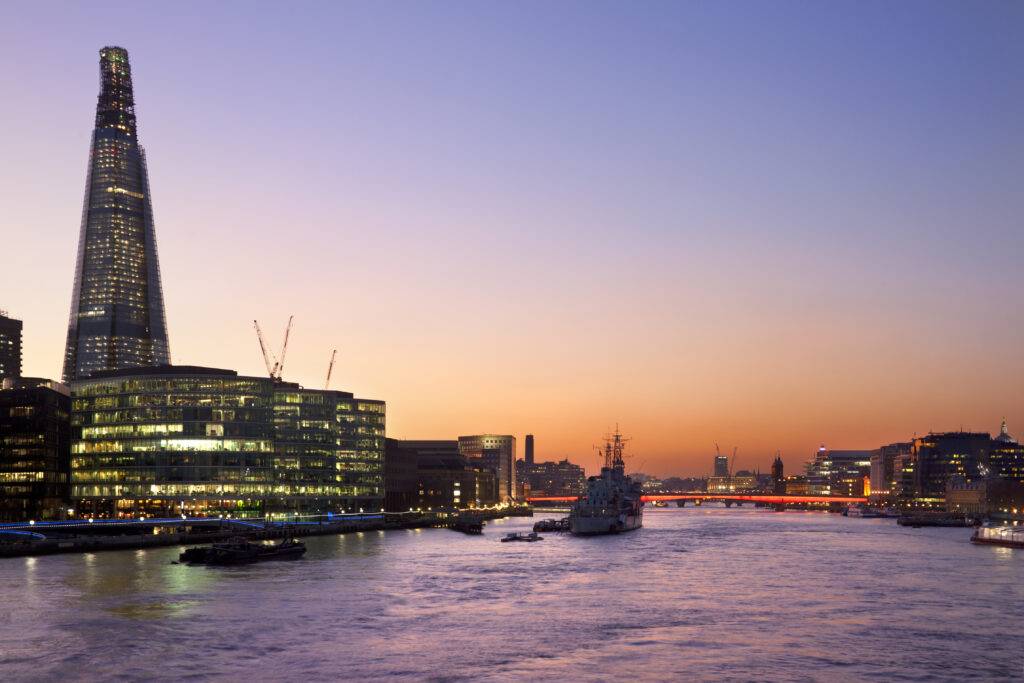
If you want to understand how Valentine’s Day has been commercialised, look at The Shard.
Since opening in 2013, The Shard has hosted 1,566 proposals. That’s equivalent to one every six hours in 2024. The venue expects a record-breaking 50 proposals on Valentine’s Day 2025.
A dedicated luxury proposal company, Shangri-La, operates from the building and has helped orchestrate over 5,000 engagements. A window seat costs £50 extra. Rooms run £1,215.
The Shard has become Britain’s unofficial proposal headquarters. They even illuminate a giant heart on the spire for Valentine’s Day.
A 2017 study found that 21% of married UK respondents got engaged on Valentine’s Day. Proposals have become “as much of an event as the wedding itself.”
Documented extravagant ideas include:
Tower Bridge ranked seventh globally as the most Instagrammed proposal location. The Shard came in eleventh.
In 2017, Interflora conducted a nationwide search for the UK’s most original proposal idea, with the winner’s “Ultimate Proposal” brought to life for Valentine’s Day.
The pressure to create an Instagram-worthy proposal has transformed what was once a private moment into a public performance.
Here’s where the story takes an unexpected turn.
Professor Jacqui Gabb at The Open University conducted research that revealed something counterintuitive. Routine daily interactions, like bringing a partner a cup of tea in bed, are more meaningful than lavish Valentine’s Day gestures.
Her findings were adopted by Relate, the UK’s largest relationship support provider. The research shows that 61% of British consumers maintain consistent spending year-on-year, suggesting Valentine’s Day is “probably best seen as one day in 365 rather than a meaningful event in the relationship.”
Think about that.
We spend £1.5 billion annually on a holiday that relationship experts say matters less than making your partner a cup of tea on a random Tuesday.
The disconnect between commercial pressure and relationship reality is stark.
The past decade has seen Valentine’s Day transform from a private celebration into a public performance.
Social media has created new pressures. You’re not just celebrating with your partner. You’re showing everyone else that you’re celebrating.
The most Instagrammed proposal locations in the UK highlight this shift. People choose venues not just for personal significance but for visual impact.
The extravagant proposal trend documented in 2017 has only intensified. Flash mobs, elaborate treasure hunts, and professional videographers have become normalised.
We’ve turned private moments into content.

The spending statistics reveal a troubling pattern.
52% of shoppers admit that last-minute purchases lead them to overspend. For younger demographics, that figure reaches 67%.
Valentine’s Day has become a financial pressure point. People feel obligated to spend money they don’t have on gestures they’re not sure matter.
The 7.1% year-on-year increase in consumer spending suggests this pressure is intensifying, not diminishing.
Generation Z’s £70 average spend, significantly above the national average, indicates younger Britons feel particularly pressured to demonstrate romantic commitment through expenditure.
The evolution of Valentine’s Day in Britain reveals several cultural shifts.
First, we’ve commercialised intimacy to an unprecedented degree. What began with Victorian cards has become a £1.5 billion industry.
Second, we’ve made private moments public. Social media has transformed proposals and celebrations into performances for an audience.
Third, we’ve created financial pressure around romance. People overspend on Valentine’s Day not because they want to but because they feel they should.
Fourth, we’ve standardised romance. The Shard’s proposal factory, with its 50 expected Valentine’s Day engagements, represents the industrialisation of what should be unique, personal moments.
Fifth, we’ve ignored research showing that routine kindness matters more than grand gestures. Professor Gabb’s findings suggest we’re investing in the wrong things.
We spend more on Valentine’s Day than ever before. We create more elaborate proposals. We document everything for social media. We feel more pressure to perform romance correctly.
Yet relationship experts tell us that bringing your partner tea in bed matters more than any of it.
The Victorian tradition of Vinegar Valentines, insult cards sent to unsuitable suitors, seems almost refreshingly honest compared to our current performance of perfect romance.
At least the Victorians were upfront about their feelings, even when those feelings were contempt.
The trajectory seems clear. Spending will continue rising. Proposals will become more elaborate. Social media documentation will intensify.
But I wonder if we’re approaching a tipping point.
The gap between commercial Valentine’s Day and meaningful relationship gestures has grown so wide that people are starting to notice. Professor Gabb’s research gained traction precisely because it challenged the commercial narrative.
The 61% of Britons who maintain consistent spending year-on-year suggest many have opted out of the escalation. They’ve decided that Valentine’s Day is one day among 365, not the defining measure of their relationship.
Perhaps the next evolution won’t be more spending and more spectacle. Perhaps it will be a return to something more personal, more private, more meaningful.
Or perhaps we’ll just keep spending £1.5 billion annually on a holiday that relationship experts say matters less than a cup of tea.
Britain’s Valentine’s Day evolution tells us something about how we’ve commercialised intimacy.
The question is whether any of it makes our relationships better.
Research suggests it doesn’t. The spending patterns suggest we’re doing it anyway.
That’s the contradiction at the heart of modern British romance. We know grand gestures matter less than daily kindness. We spend billions on them regardless.
Maybe make your partner the occasional cup of tea…
Half-term is looming. We need plans that work. London and the South East hold 170+
Destination to lift the soul Nestled in the finest landscape Britain can provide, the country
It’s a raw, rainy afternoon, but Jessica Fostekew quickly blows away any cobwebs with her