
Jessica Fostekew Talks About Creating A Silly Show For The Darkest Days
It’s a raw, rainy afternoon, but Jessica Fostekew quickly blows away any cobwebs with her

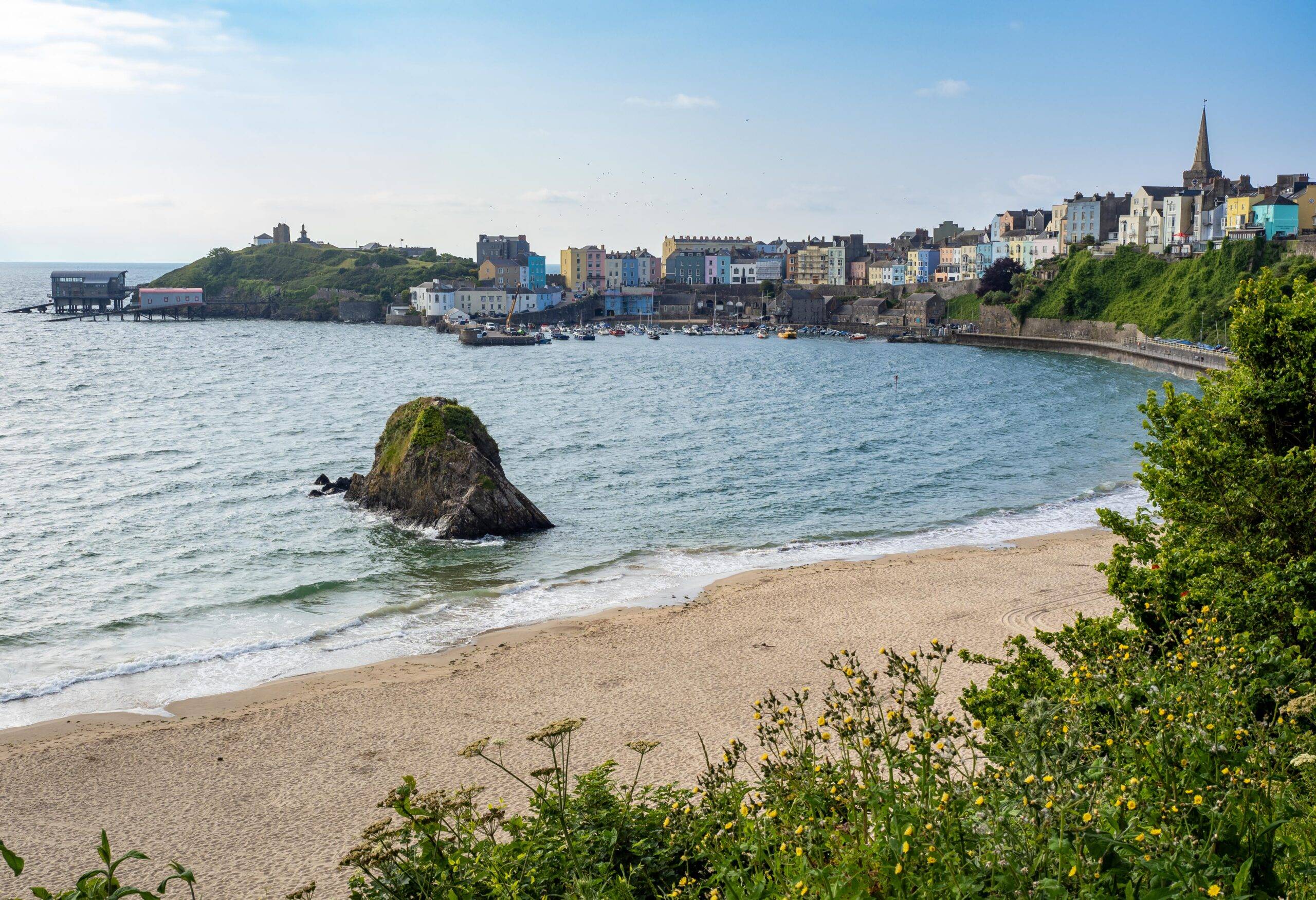
While there’s so much to see around the world, from dazzling capital cities to lesser-travelled mountain passes, not much can beat a proper British seaside holiday. At least if the sunshine plays along.
While the obvious coastal towns still draw huge crowds, smaller resorts are quietly having their moment.
The numbers tell part of the story. 52% of Brits are planning a domestic holiday alongside one abroad in 2026. That’s up from 43% last year. Apparently, the staycation trend isn’t fading; it’s strengthening.
What’s driving this? Climate change plays a bigger role than you might think. 56% of UK holidaymakers say they’re likely to choose staycations over foreign holidays for climate-related reasons. The Mediterranean heat waves have people reconsidering their summer plans.
We’ve put together a list of smaller British resort towns that punch above their weight, each offering something different. These aren’t the places everyone talks about. They’re the ones locals know about, and visitors discover by accident and fall in love with.
Each one has its own character. Some have undergone serious regeneration. Others have stayed quietly brilliant whilst everyone else chased the obvious destinations.
Southwold sits on the Suffolk coast with a restraint that feels deliberate. The town has resisted the urge to become a theme park version of itself.
You’ll find pastel-coloured beach huts, a working lighthouse in the middle of town, and Adnams Brewery producing beer the way they have since 1872. The pier is Victorian but was rebuilt in 2001 with quirky arcade machines that feel more art installation than seaside tat.
The beach is clean. The town is walkable. You can get excellent fish and chips without queueing for an hour.
What makes it work: Southwold hasn’t tried to be anything other than what it is—a proper seaside town with standards.
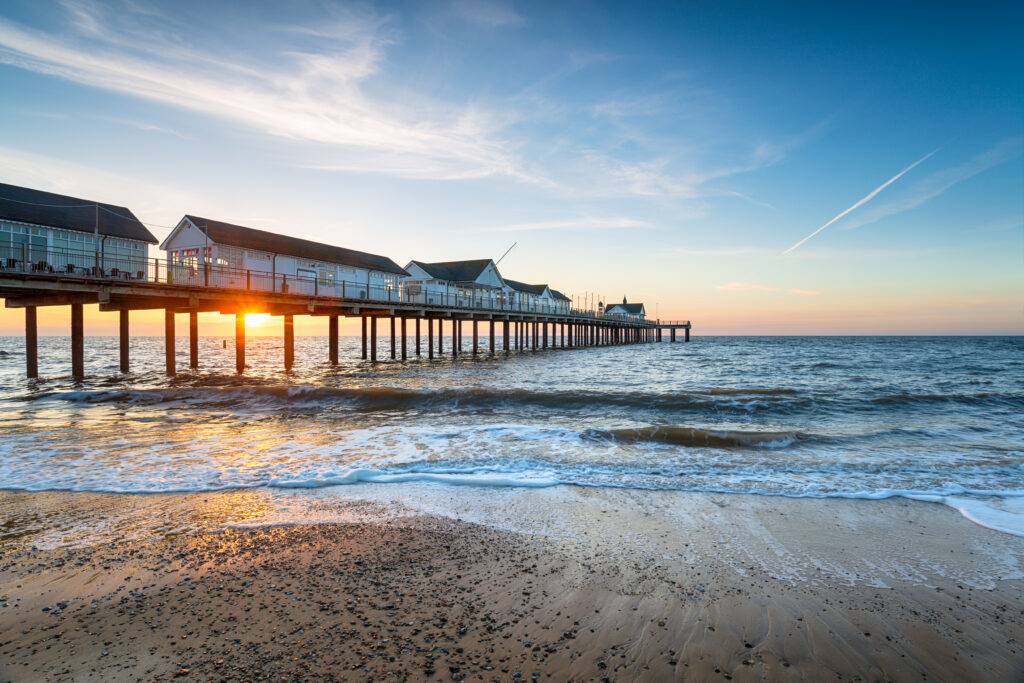
Tenby wraps itself around a natural harbour on the Pembrokeshire coast. Medieval walls still encircle the old town. Georgian houses painted in bright colours face the sea.
The town has three beaches within walking distance. North Beach stretches for miles. Castle Beach sits tucked beneath the headland. South Beach curves around the harbour with views across to Caldey Island.
You can take a boat to Caldey Island where Cistercian monks still make perfume and shortbread. The island feels like stepping sideways out of time.
Historical weight: Tenby has been a resort town since the 1800s. It knows what it’s doing.
Whitstable made its name with oysters and never let go. The town celebrates them every July with a festival that takes over the entire place.
The beach is shingle rather than sand. That keeps away some of the bucket-and-spade crowd. What you get instead is a working harbour, independent shops selling things you might actually want, and restaurants that understand seafood.
The town attracts creative types from London looking for something more affordable and more real. That’s brought galleries, vintage shops, and a food scene that punches above its weight.
The appeal: Whitstable feels like a town that happens to be by the sea rather than a town that exists only for tourists.
Tynemouth sits at the mouth of the River Tyne with a castle ruin on the headland and a beach that surfers actually use. The town has managed to be both historic and current without straining.
Longsands Beach attracts surfers year-round. The priory and castle ruins date back to the 7th century. The station has been converted into a weekend market selling everything from vintage clothing to artisan bread.
You can walk along the coast to St Mary’s Lighthouse at low tide. The town centre has proper independent shops and cafes that stay open outside summer.
Why it works: Tynemouth functions as a real place with real residents who happen to live somewhere beautiful.
Visit Northumberland – Tynemouth
Fowey clings to a steep hillside overlooking a deep-water harbour. The town is small enough to walk across in ten minutes but dense enough to spend days exploring.
Daphne du Maurier lived here and set several novels in the area. You can follow trails connected to her work. The harbour still functions as a working port alongside the pleasure boats and sailing dinghies.
The coastal path runs in both directions from town. Walk west towards Gribbin Head or east towards Polruan. Both routes offer the kind of views that make you stop walking just to look.
Character note: Fowey has avoided becoming a museum of itself whilst preserving what makes it distinctive.
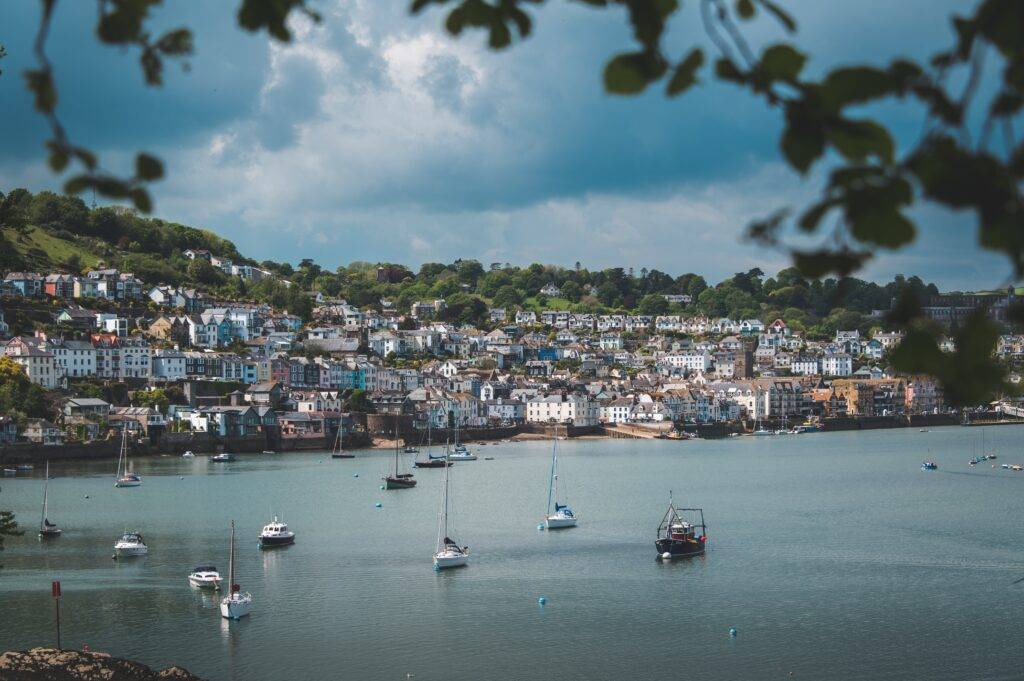
Southport is experiencing something of a renaissance. The town is undergoing a £37.5 million regeneration, with the pier projected to generate approximately £15 million annually for the local economy once operational.
The pier is one of the oldest iron piers in the country. Lord Street, the main shopping boulevard, inspired Napoleon III when designing Paris. The beach stretches for miles at low tide.
You’ll find Victorian architecture, a marine lake for water sports, and enough green space to forget you’re in a town. The investment is visible but hasn’t erased the town’s character.
The transformation: Southport is betting on its heritage whilst building something sustainable for the future.
Llandudno sits between two headlands on the North Wales coast. The Victorians built it as a purpose-designed resort town and the bones of that planning still show.
The promenade curves along North Shore beach for two miles. The Great Orme headland rises 207 metres above sea level. You can reach the summit by Victorian tramway, cable car, or on foot.
The town has kept its Victorian pier intact. The architecture remains largely unchanged. What’s changed is the food scene and the quality of accommodation available.
The advantage: Llandudno was designed for visitors from the start. Everything is where it should be.
Seahouses is a working fishing village that happens to be the gateway to the Farne Islands. The harbour still lands fresh crab and lobster daily.
Boat trips to the Farne Islands leave from the harbour throughout the season. You’ll see puffins, seals, and other seabirds in numbers that feel excessive. The islands were home to St Cuthbert in the 7th century.
The village itself is small. The beaches nearby—Bamburgh, Beadnell, Embleton—are some of the finest in England. The coastal path connects them all.
Visitor data: Seaham saw a 5.81% year-on-year increase in visitors, showing these smaller towns are benefiting from shifting travel patterns.
Visit Northumberland – Seahouses
Sidmouth sits in a valley between red sandstone cliffs on the Jurassic Coast. The town has maintained a genteel character that some find appealing and others find too quiet.
The Regency architecture remains intact. The seafront is all promenade and gardens rather than amusement arcades. The beach is a mix of sand and pebbles backed by those distinctive red cliffs.
The town hosts a folk festival each August that transforms the place. Otherwise, it moves at its own pace.
The appeal: Sidmouth offers a particular kind of coastal experience—calmer, older, more restrained.
St Andrews is known for golf and the university. What gets overlooked is the town’s position on the Fife coast with beaches that rival anywhere in Britain.
West Sands stretches for two miles of golden sand. East Sands sits in a sheltered bay. The town itself has medieval streets, castle ruins, and a cathedral that was once the largest building in Scotland.
You can walk the coastal path in either direction. The town has restaurants and shops that serve residents and students rather than just tourists.
The difference: St Andrews functions as a real place with multiple identities beyond tourism.Visit Scotland – St Andrews
It’s a raw, rainy afternoon, but Jessica Fostekew quickly blows away any cobwebs with her

Something is starting to shift in the way we think about interior design. Thankfully, those

Half-term is looming. We need plans that work. London and the South East hold 170+